


Belo Brdo is an archaeological site of exceptional archaeological value. It is positioned southeast of Belgrade, on the right bank of the Danube, in the village of Vinča. It consists of the archaeological remains of one of the largest and certainly the most enduring Neolithic settlement in Serbia and it is one of the most important Neolithic sites belonging to Vinča Culture in Europe. It has been named Belo Brdo [white hill] after the light colour of the loess terrace on which it is located.
4.1. Vinča Culture
Vinča Culture is a term used in order to describe a phenomenon in material culture that appeared during the Neolithic (5300-4500 BCE) in the southeast part of the European continent – the area which in addition to the territory of the present-day Serbia also includes parts of the present-day states of Bulgaria, Romania, Hungary, Bosnia and Herzegovina, Croatia, North Macedonia and Montenegro. Vinča Culture is characterised by sedentarisation and durable settling in one single place, which had a decisive impact on the explosion of creativity, a high population growth, technological progress and essential transformations of social relations. By their size and the number of inhabitants, some of its settlements exceeded not only all of the concurrent Neolithic settlements, but also the first cities created much later in Mesopotamia, Aegean and Egypt.
The revolution introduced by the carriers of Vinča Culture primarily concerns the idea of coexistence and the formation of permanent communities such that did not exist until then. The very situation in which so many people lived in one settlement at the same time for the first time set off an incredible creative potential, affirmed through the superior art present in every settlement belonging to Vinča Culture, through architectural attainments that included the emergence of multi-storey buildings, as well as through leaps in technology – the man not only started to transform rock by mining and processing stone, but he also started to transform matter by controlling fire, first turning earth into ceramics and then rock into metal. It has been confirmed that the earliest extractive metallurgy of copper (a process in which the metal is transformed by melting) and cinnabarite was present in Vinča Culture.
The period that we call the “Neolithic revolution” and that can be followed in detail in Vinča encompasses several key changes accepted by human groups – sedentarism (living in the same place), agriculture, livestock husbandry and pottery production. In order to understand in the first place how revolutionary this change was, we need to keep in mind that the human race has been evolving during several hundred thousand of years and that life in larger communities living in the same area accounts for less than 5% of our evolutionary journey. One of the few places where this concept of coexistence started was precisely the Central Balkans.
Vinča Culture gave birth to one of the most fascinating phenomena in the European prehistory and these were precisely the settlements that could be called proto-cities. The Vinča Culture settlements most often covered around 30 hectares of surface area, but there were also settlements that covered up to 80 hectares. In most of the surveyed sites, the organisations of the settlement entailed a dense arrangement of houses – the distance between the houses was often less than one meter, which indicates extremely developed social relations. The geophysical surveying has revealed a number of mega-sites that have several hundred of organised, densely packed houses with fortifications around the settlements – a phenomenon we do not encounter until the setting up of the first city-states in the Middle East and the sites of Trypillia culture in Ukraine. The very houses of Vinča Culture represent a huge change in the understanding of the area, family, way of life and tradition.
Taking into consideration that life in densely populated areas inevitably gives rise to conflicts, the fact that Vinča Belo Brdo has a sequence of over 800 years of coexistence in one place, i.e., more than 25 generations of people living within an orderly social structure, unequivocally suggests that there was a way for these conflicts to be resolved. The distribution of Vinča sites, which in the Republic of Serbia almost as a rule lie at around 5 kilometres one from the other, indicates a very developed network of cooperation, trade and competition. The social framework developed in this way continues to be one of the puzzles of the archaeological science, which also includes the fact that so far no evidence of social stratification and inequality in Vinča society has been found.
A large number of settlement sites in the area of Vinča Culture unequivocally raises questions concerning the origin of that population. The science weighs up several models that are being investigated in order to answer this complex question, but whichever hypothesis turns out to be correct, it is indisputable that there used to be incredibly complex connections over large distances and that European trade corridors were established. We can see the same trading routes, that date back from the onset of Starčevo Culture, in the period of Vinča Culture and we will see them millennia later – the Roman Imperial Road also passed by Vinča, as well as the Istanbul Road, which is just a continuation of the thousands of kilometres long Silk Road. The needs that go beyond the daily requirements for raw materials, caused by human creativity, created and opened links between the communities of the Mediterranean, Central and Northern Europe, the communities of the Eurasian steppe and the Middle East. Once formed, the Neolithic corridor did not interrupt its development and one of the most important crossroads was – VINČA.
Pottery production is an activity that may seem simple at first glance, however, it constitutes the first case where man transformed the matter. It is rare to find a higher level of skill in that art of transformation, as is the case at Vinča Belo Brdo site. This is due to the mechanisms of the knowledge transfer stemming from the coexistence of numerous generations, where the knowledge and the skills were passed from one generation to the next, and adapted to the needs of each new generation.
We can also see this attitude towards crafts on the examples of stone tools, where the forms were often chosen not only because of their functionality, but also because of their aesthetic value. Through countless examples, it is obvious that beauty was just as important to the community at Vinča Belo Brdo site as functionality, and that the aesthetics was woven into every aspect of life.
The metamorphosis of rock into metal is a process that enabled the transformation of man into a absolute master of the world. The operational chain of metal processing shows all the ingenuity of the human being, which entails a large number of unrelated and seemingly opposed actions that man must perform. Nothing illustrates the creative charge of Vinča Culture better than the fact that the earliest evidence of processing ore into metal could be found at several Vinča Culture sites.
The evidence of the incredible capacity and the scope of Vinča Culture lies in the fact that in the area of present-day Serbia there are over 600 known Vinča sites, which is the number of settlements on this territory reached again only in the modern times. Technological innovations, interpersonal relations, connections, cooperation networks, principles of conflict resolution, creation and giving, render Vinča period the character of the first modern period. Although known and researched for more than a century, Vinča Culture continues to be the most interesting subject of research in the European archaeology.
4.2. Cultural and historical context of the site
Vinča Belo Brdo is a multi-layered archaeological site that lies in one of the most beautiful areas along the lower course of the Danube. At the time when the settlement was first set up, the location itself constituted an optimal choice of a kind where a number of benefits offered by the Danube with its floodplain, Podavalska brda [hills beyond Avala mountain], the Bolečica valley leading to Avala mountain and its mineral treasures could be used. The proximity of several confluences of large rivers along the most important European river corridors (the Danube, Tisza, Morava-Vardar and Sava corridors), which before the construction of modern traffic systems enabled the transport of people and goods, positioned Vinča as a kind of a terminal. Thus, Vinča played the role of one of the important hubs of the European continent. The site was defined in 1908, when Miloje Vasić, based on the earlier comments by Jovan Žujović, began excavations at Belo Brdo site in Vinča and discovered a completely new and until then unknown archaeological culture. This culture was named after the locality itself – Vinča Culture, while Vinča Belo Brdo became an eponymous cultural site. In addition, it is not a common case in science that the eponymous site turns out to be one of the most important sites, which Vinča Belo Brdo definitely is. During the excavations, it was established that there was presence of uninterrupted human life at Vinča site for over 8 millennia, from Starčevo cultural strata, through Vinča, Eneolithic, Bronze Age, Iron Age, antiquity, medieval and finally the modern life in Vinča. Therefore, Vinča Belo Brdo has the honour of being one of the longest inhabited cities in the world. During the explorations conducted so far, numerous artefacts have been found at the site, which testify to the superior craftsmanship of the creators, as well as about the ubiquitous aesthetic principles, where each artefact is at the same time permeated by artistic, religious and functional aspects.
In the archaeological science of Central and Southeast Europe, Belo Brdo in Vinča is taken as a chronologically reliable indicator for studying the onset and the development of a large number of Neolithic and Eneolithic cultures in the Balkans. The influences of significant events and changes in the material and spiritual cultures have been observed in certain levels of the cultural layer up to 10 m thick, which is how much precipitated here by the long stay of people in this place from 5300-4900 BCE.
Belo Brdo in Vinča is characteristic for its continuity, multi-layered aspect and prehistoric way of life in all its manifestations: housing, functional, decorative, ritual and artistic objects, the economic development flows, the script, and influences on the inhabitants of other settlements in the Balkans and beyond. Another extremely important feature is the possibility to conduct scientific study, interpretation and presentation of the discovered remains of the prehistoric houses and objects discovered in them. The layer that used to reach the height of 10 m high in which the continuity of this rich, centuries-old Neolithic settlement can be read constitutes an extraordinary map of the duration of a prehistoric culture.
The foundation, growth and the highest rise of Vinča Culture are illustrated by the archaeological finds discovered at the depths between the ninth and the sixth metre dated back to the period between 5300 and 4900 BCE. During the construction of the prehistoric settlement, the Neolithic inhabitants of Vinča paid particular attention to the layout of the houses, the remains of the rectangular bases of which have been preserved suggesting that the houses had vertical walls and a possible gabled roof. The continuity of the culture is even more clearly confirmed by movable archaeological finds, primarily the ceramic objects – dishes and anthropomorphic figurines. Thousands of objects have been discovered in the surveyed area and they are now in many museum collections, while the work on their study continues to the present times. On the basis of these numerous and very diverse objects, as well as the remains of architecture and the used raw materials, the material and spiritual cultures of many generations who lived in this area can be reliably reconstructed.
Belo Brdo archaeological site in Vinča is one of the first sites in Serbia where systematic surveying started at the beginning of the 20th century. Miloje M. Vasić was the first educated Serbian archaeologist to excavate from 1908 to 1934, in an area of approximately 1500 m2. Thanks to Vasić’s contacts with Academician Fyodor I. Uspensky from the Russian Archaeological Institute in Constantinople, Sir John Linton Myers, archaeologist and Sir Charles Hyde, a British publicist, extensive explorations were conducted and on the basis of their results the culture of the final Neolithic and early Copper Age was named – Vinča Culture.
Under the leadership of Prof Nenad Tasić, PhD, systematic scientific archaeological explorations have been carried out at the site from 1998 to date, using new methodologies and modern detection methods. The results of the papers are published in the leading scientific journals in Serbia and abroad, which constitutes a significant impact not only on the Serbian, but also on the European and the world science.
In this regard, the results concerning the ground plans of several Neolithic houses are significant. In this way, the remains of several rectangular buildings were discovered in a smaller excavated area, while detailed digital imaging enabled the reconstruction of the construction method in the final phase of the Neolithic. The houses were made of wattle closed with earth, while the roof was most likely gabled and covered with straw. There was a calotte-shaped stove in the houses used for cooking, with stoves also found as individual structures outside residential buildings. The houses were arranged in a row and on the basis of this insight, it has been concluded that the settlement was made of houses between which there were narrow passages – streets. This conclusion has led the researchers to call the final phase of the Neolithic “Vinča metropolis,” i.e., “prehistoric metropolis,” and that term is also used in other types of the site presentation.
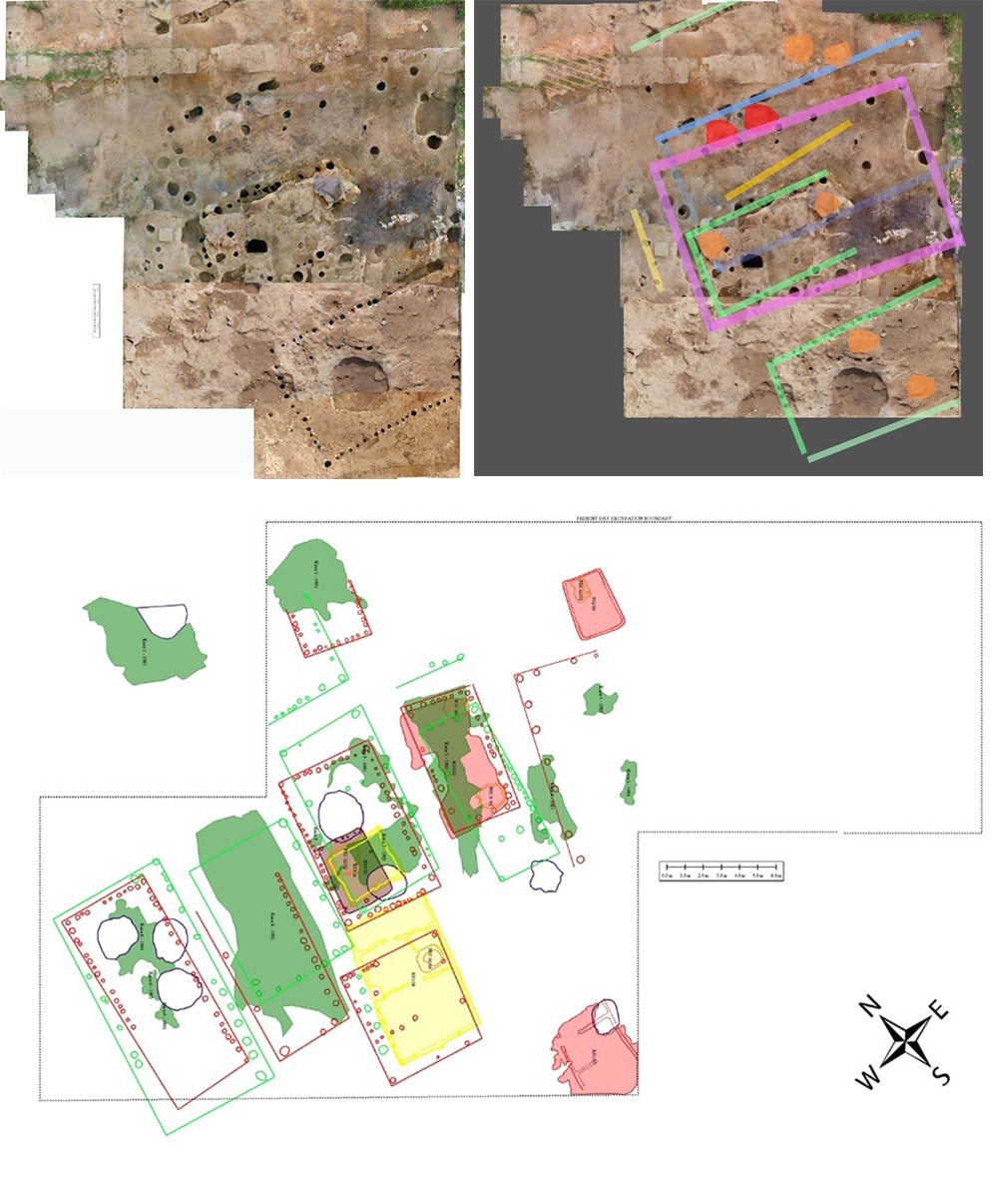
Fig. 5. Three presentations of the stages in the digital shaping up of the ground plan of Vinča settlement in the surveyed area Source: Vinča – prehistoric metropolis: 1908-2008 explorations, Belgrade 2008
Vinča Culture is internationally known primarily for its artistically designed vessels and figurines made of baked earth. Miloje M. Vasić discovered more than a thousand specimens of figural sculpture and today that number has almost doubled. The collection of these objects testifies to the affluent religious, symbolic and artistic development of the inhabitants of the Neolithic settlement, and the influences that came to the creators of these objects from the Middle East, the south of the Balkan Peninsula or northern Europe.
The archaeological literature often deals with considerations concerning the fertility cult and woman as the central figure in the Neolithic era. Mother goddess, the Great Mother, primordial mother, magna mater – these are just some of the many romantic interpretations of the figurines depicting a woman. The figurines with male attributes are less present, but most of Vinča figurines do not exhibit any gender characteristics at all, while in several cases the characteristics of both sexes are indicated. They have been found inside and outside the houses, in storage spaces, as well as in waste pits, trenches for the foundation of the houses, levelling layers and in other places. On the other hand, some of the more recent studies explain figurines as props for education and leisure (storytelling).
From the onset of Vinča art, the way of presenting faces on the figurines followed the strict rules. At first they were triangular and then pentagonal, without much detail. The figurines with depicted mouth are extremely rare. Until the middle of the development of Vinča’s figural sculpture, pentagonal faces imitating masks were dominant, only to be replaced by figurines with much less realistically represented heads, whose shape was subordinated to the pentagonal mask on which long noses were modelled and large, most often almond-shaped eyes were carved. The classical phase, the period when the recognisable specimens of sculpture were created in all areas in which Vinča Culture thrived, is represented at Vinča site at the depth between 7.5 and 5.5 m, i.e., 5100-4900 BCE. The end of the glorious epoch of Vinča’s anthropomorphic sculpture can be discerned from the depth of 3.5 m. The typical Vinča sculpture is recognised by its cruciform representation of the figure and by some incised details. An almost realistic way of representing human figure is replaced by stylised depictions with summarily shaped heads. The figurines from the end of Vinča Culture are quite superficially modelled and without any details. The eyes were sometimes marked on the faces, while the details, if any, were incised. Due to the summarily and impersonal modelling of the head, the individual characteristics or any group affiliation were probably emphasized by different ornaments on the clothes.
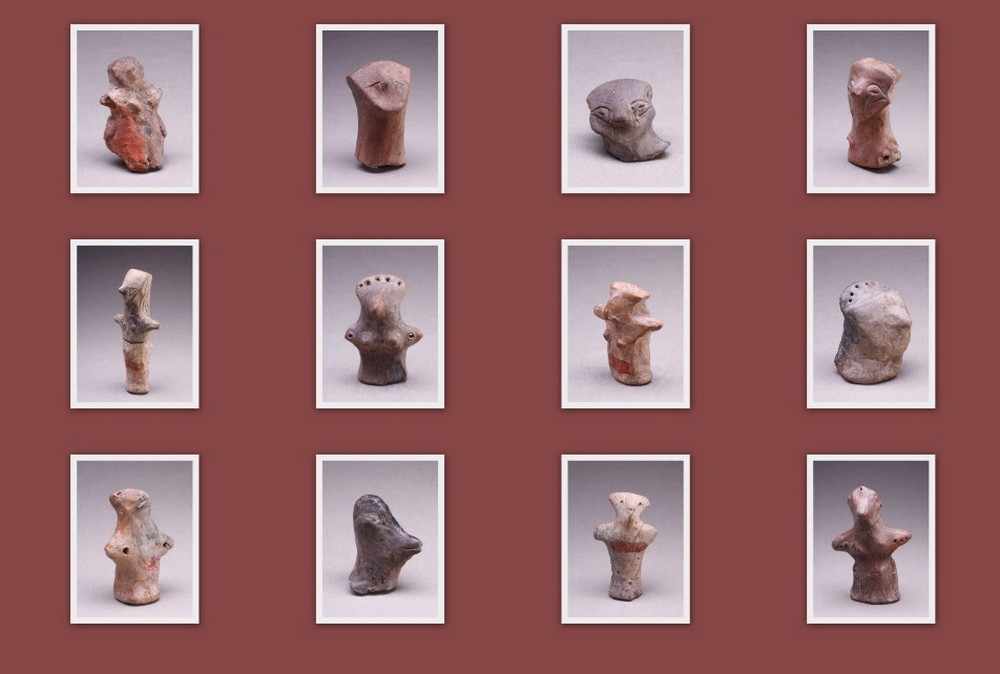
Fig. 6. Anthropomorphic figurines Source: Vinča – prehistoric metropolis: 1908-2008 explorations, Belgrade 2008
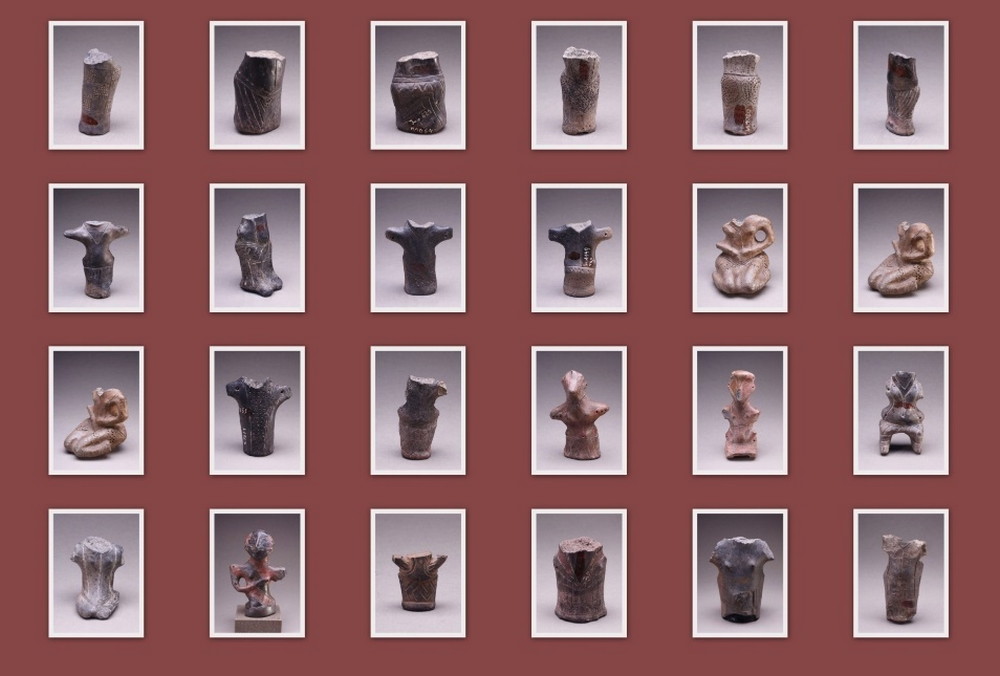
Fig. 7. Anthropomorphic figurines Source: Vinča – prehistoric metropolis: 1908-2008 explorations, Belgrade 2008
Prosopomorphic lids appear in the Neolithic only in Vinča culture. These are ceramic lids of cylindrical or conical shape, with a representation of a human and/or animal face (Greek πρόσωπον = face). The eyes, nose and ears are represented on each lid, while the mouth is never shown. The most pronounced are large, embossed eyes, usually bordered with incised lines. A peculiarity of the lids is also reflected in the short ears, placed vertically above the temples. Unlike other elements, which can equally belong to an animal or a human face, the ears made in this way are certainly related to the representation of an animal. The lids were always richly decorated with incised geometrical ornaments. Each prosopomorphic lid is unique and no two identical specimens have been found to date.
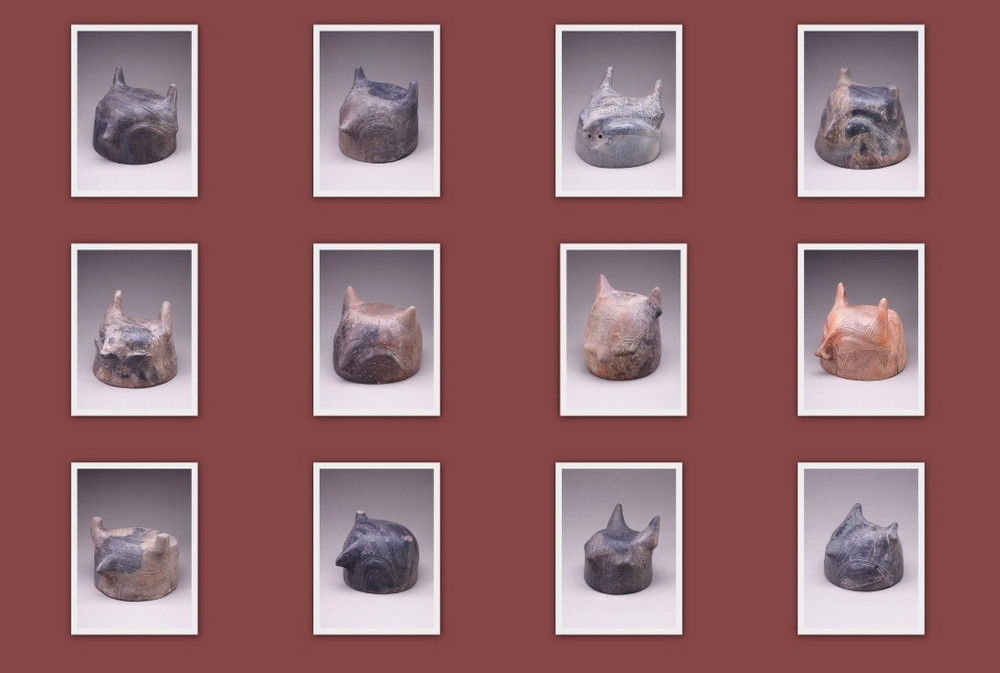
Fig. 8. Prosopomorphic lids Source: Vinča – prehistoric metropolis: 1908-2008 explorations, Belgrade 2008
The objects called altars by archaeologists are ceramic objects, most often with 3 or 4 feet, with the shape of a triangular or a quadrangular recipient, quite rarely circular in shape, while their main characteristic are the angular ends – protomes in the shape of human or animal heads. Most of the altars were decorated using incised ornaments with motifs of meanders, fish bones, hatched triangles and, quite rarely, arched ribbons. Traces of white and red colour, applied after firing, have been preserved on many specimens.
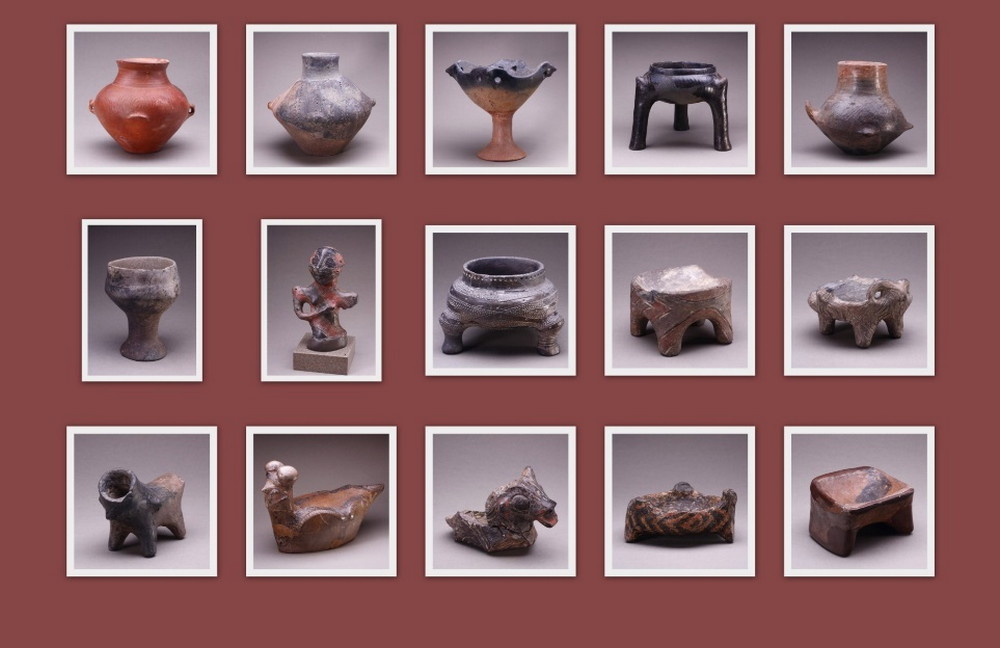
Fig. 9. Altars Source: Vinča – prehistoric metropolis: 1908-2008 explorations, Belgrade 2008
Vessels in the shape of a human figure or with human depiction, as well as vessels in the shape of animals are among the very rare finds. They are unique by the way of their shaping and decorating, while some of them are masterpieces of Vinča art. One of the most famous finds from Vinča is certainly an ornithomorphic vessel called the Hyde Vase. It has most often been described as a vessel in the shape of a bird with folded wings, but it is possible that this is a fantastic creature with a human face.
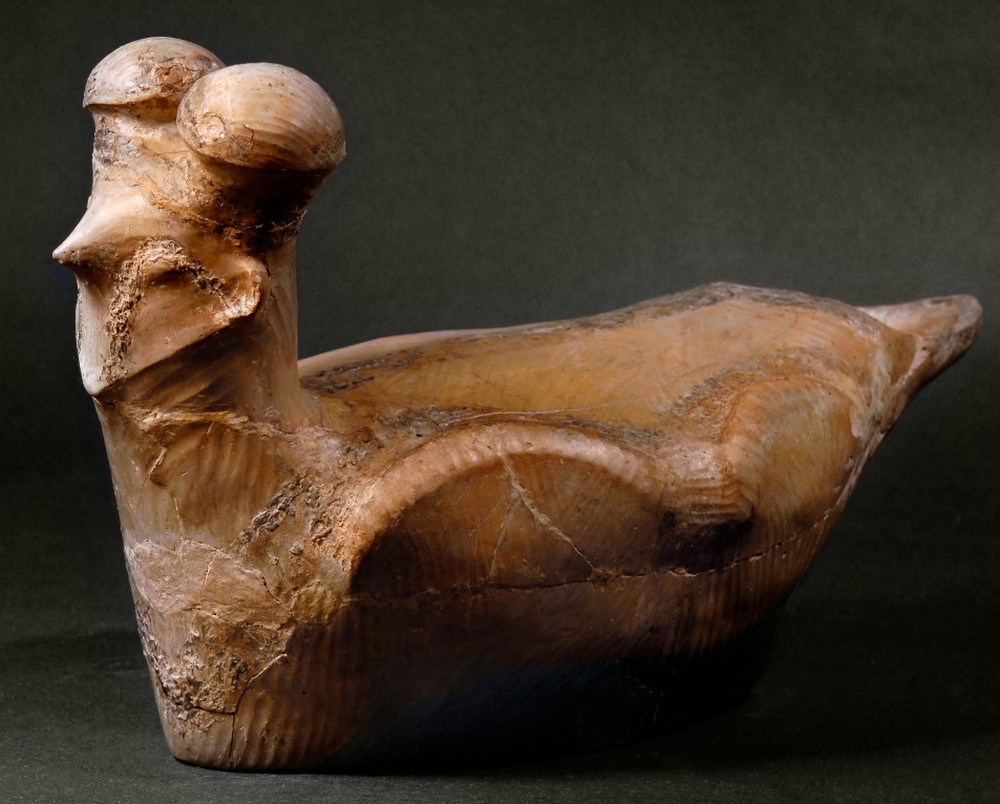
Fig. 10. Vessel in the shape of a human figure Source: Vinča – prehistoric metropolis: 1908-2008 explorations, Belgrade 2008
The prehistoric inhabitants of Belo Brdo were engaged in agriculture and animal husbandry, and they supplemented their diet by hunting, fishing and foraging wild fruits. The remains of the fauna contain the bones of mammals, birds, fish and gastropod, mollusc and tortoise shells. Among the mammals, the most numerous are domestic animals: cattle, pigs, sheep, goats and dogs. As for the wild animals, remains of deer, roe deer, wild boar and wild cattle were found, as well as those of small mammals: rabbits, beavers, martens, badgers and foxes. Hunting played an important role in the survival and in the obtaining of materials for making tools from deer antlers or wild boar tusks. Remains of birds are rare. Given the proximity of the Danube, fishing was of particular importance. Among the tools for everyday use, a large number was used as fishing equipment. The size of the fishing hooks, harpoons, weights for fishing nets and bone needles for repairing nets shows that some very large fish were also extracted from the Danube.
The archaeobotanical analysis has revealed numerous remains of charred grains of cereals, legumes, flax, wild fruits and various weeds. Cereals were mostly cultivated and among single-grain and two-grain wheat was predominant, while bread wheat, barley and millet were far less represented. The cultivated species also include legumes (lentils and peas), as well as flax. Tools made of stone and horn, less often of bone, were used for the cultivation of land. The hoes were made of horn, sometimes also of stone, and they mostly have a perforation for locking the handle. The ground was dug using picks made of naturally bent deer antlers with a pointed tip. Planting tools were also made from polished and pointed antlers. Reaping tools, like sickles, consisted of composite tools, in which cut stone blades were implanted in a horn or wood handle.
Cereals were kept in large containers – amphorae and pithoi, which are frequent finds in architectural structures. Grindstones were used for grinding grain and using a special tool – a spreader, the grains were crushed on them. Particularly interesting is a grindstone “built” into a daub structure, found at a house, next to the wall. A large number of tools made of different materials (bones, horns and stones) and exceptionally made vessels suggest a very high level of craftsmanship. During the late Neolithic, there were undoubtedly specialised craftsmen who were engaged in making only certain types of objects for everyday use, for the needs of the cult, as well as for barter.
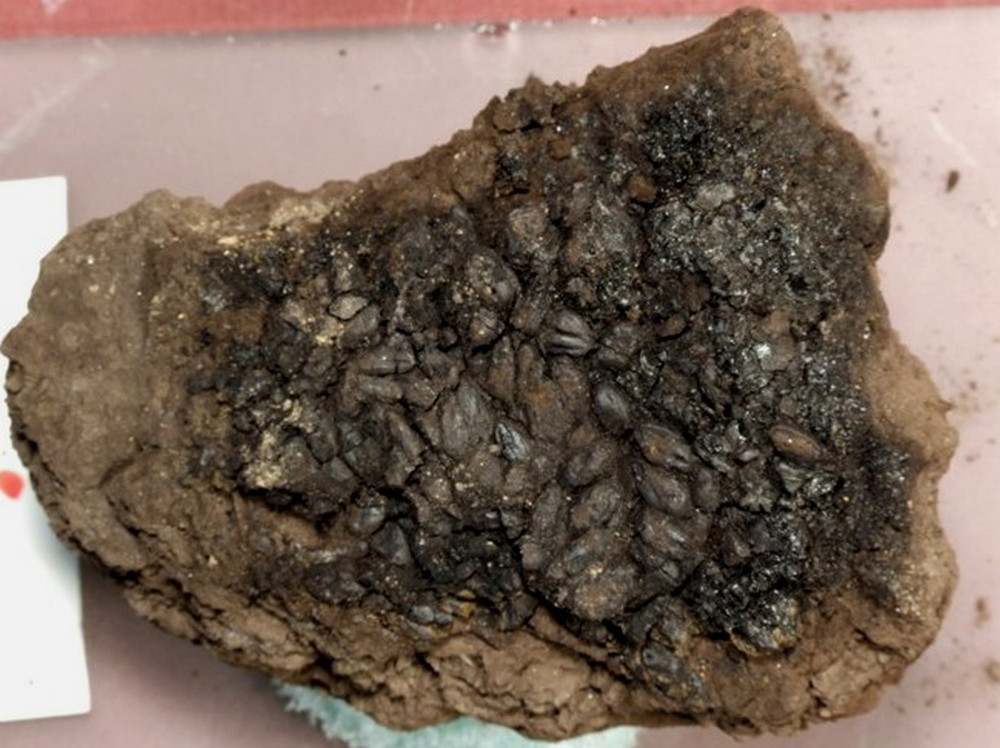
Fig. 11. Remains of charred cereal grains Source: Vinča – prehistoric metropolis: 1908-2008 explorations, Belgrade 2008
Interdisciplinary analyses have established that daub from the vicinity of the settlement, from the place where a brickyard is still located, was used as the basic raw material for making vessels. Various types of admixtures were added to this, such as pebbles, sand, crushed pottery and river shells, in order to improve many properties of the vessels, primarily their resistance to thermal changes. The polishing of the finished vessels and the application of ornaments was done using river pebbles, while after the firing they were probably coated with some kind of grease in order to close the pores in the walls of the vessels so that these could store the liquid better. The shapes of the ceramic vessels are bowls and goblets – conical, biconical, hemispherical and spherical, then storage vessels – amphorae and pithoi, food preparation vessels – pots and casseroles. A special group consists of miniature vessels that imitate the shapes of the ceramic for everyday use. The vessels were decorated. In the older stages this was done with incised ribbons filled with dents. The most common decoration in the younger stages is an ornament made by polishing vessels with pebbles, before the firing. The motifs are diverse, from quite simple parallel lines to metope fields filled with different ornaments: lattice, weave, zigzag lines or hanging triangles. The grooves are usually found on the upper parts of the bowls and amphorae; they could be quite simple, but sometimes they also created complex motifs, such as spirals. Quite rarely, the vessels contain reliefs of anthropomorphic, as well as zoomorphic depictions, most often in the shape of a bull’s head – bucranium. There are also frequent decorations made by thick red dye.
Chemical analyses of the red pigment have indicated presence of iron minerals, as well as cinnabar.
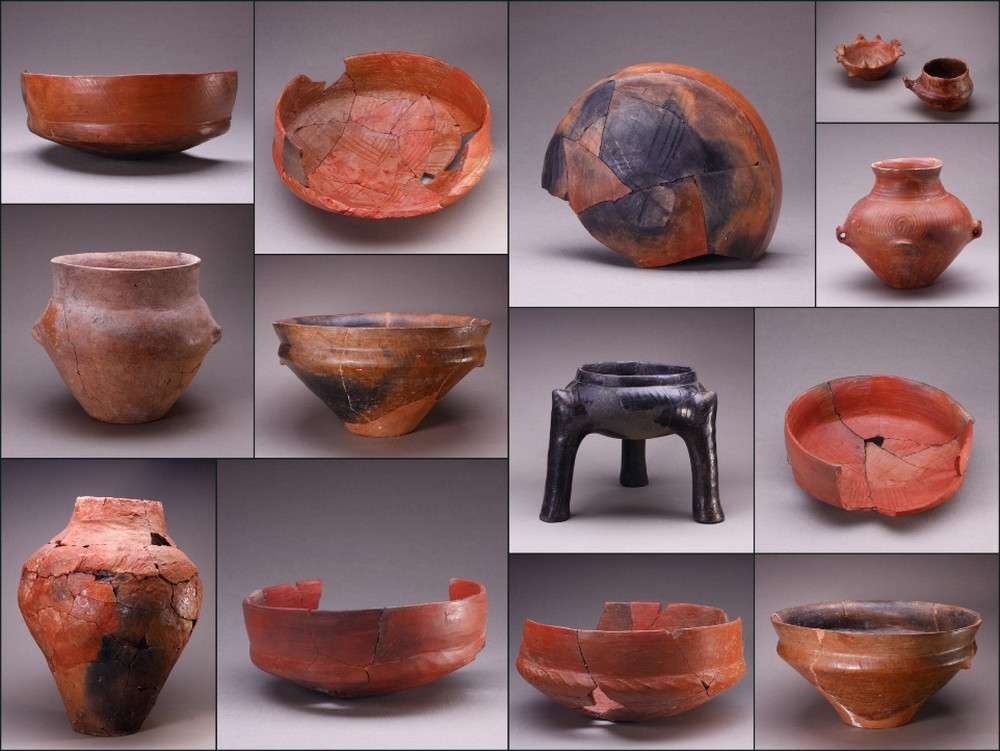
Fig. 12. Red pigment vessels Source: Vinča – prehistoric metropolis: 1908-2008 explorations, Belgrade 2008
4.3. Summarised overview of the explorations
The archaeological excavations carried out in the Vinča area from 1908 to the present times represent a key cultural component in the evaluation of Belo Brdo archaeological site.
The timeframe of the exploration of Belo Brdo archaeological site in Vinča could be divided into four basic periods. First of all, these are the results of the exploration conducted by Miloje Vasić in the period from 1908 to 1938, then the results of the excavations, as well as the theoretical studying conducted from the end of the 1970s and headed by Nikola Tasić and Dragoslav Srejović, and the results of the latest stage in the works headed by Nenad Tasić that began in 1998 and that are characterised by a modern, interdisciplinary approach, and the excavations that began in 2011 and that got intensified from 2019. In each of these phases, a large amount of tangible and intangible data was collected, which today testifies to the importance and monumentality of the archaeological site.
At the end of the 19th century, Vinča near Belgrade was mentioned as a prehistoric settlement. Jovan Žujović, the first educated Serbian geologist, who found flint knives and knapping residues in Vinča, drew the attention of experts and scholars to that site at a meeting of the Serbian Geological Society held in 1893. However, the site in Vinča is inextricably linked with the name of its first researcher, Professor Miloje Vasić, an archaeologist and the curator of the National Museum in Belgrade. From 1906, he kept pointing out the fact that the site in Vinča was endangered taking into consideration that a part of the site was below houses built in the late 18th or the early 19th century and because during the high waters the Danube undercut this site, breaking away large pieces of land that contained the remains of the ancient culture.
The year 1908 is important for the European and the world archaeology, since it was then that Miloje Vasić, having received the first funds from the state of Serbia, began excavations in Vinča. The documentation from these explorations has not been preserved, while the report published in 1910 suggests that Vasić examined a 7 m thick cultural layer on a leased plot of land, measuring 40 x 5 m. He then got in touch with Fyodor Uspensky, an academician of the Russian Academy of Sciences, the founder and director of the Russian Archaeological Institute in Constantinople, from whom he received funds to continue with his explorations and the lease of land. He worked with some interruptions in the area of 1200 m2 that extended from the 1908 dig from 1911 to 1931.
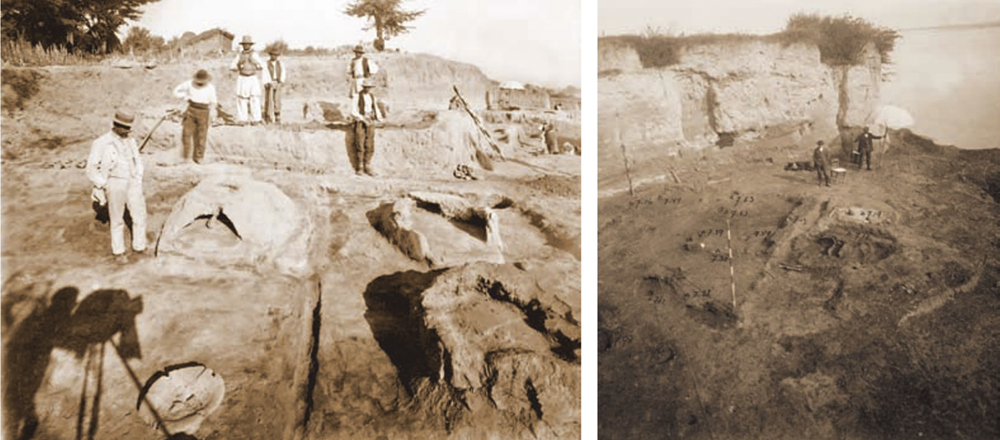
Fig. 13. Archaeological explorations 1911 Fig. 14. Archaeological explorations 1913
Source: Vinča – prehistoric metropolis: 1908-2008 explorations, Belgrade 2008
In the meantime, he met Alec and Catherine Brown, who lived and worked in Belgrade for a while, which was a turning point in the explorations of Vinča. In the summer of 1929, the London Times published an ad by Sir Charles Hyde, a wealthy owner of a newspaper from Birmingham, offering funds for the excavation of antiquities. Wanting to help Vasić, Catherine Brown started a correspondence with Hyde without Vasić’s knowledge. The result was an agreement between Hyde, Vasić and the Government of Serbia, on the basis of which Hyde’s funds were used in order to found the Archaeological Collection of the Seminar for Archaeology, finance the excavations in Vinča that same summer and lease a piece of land for the future excavations.
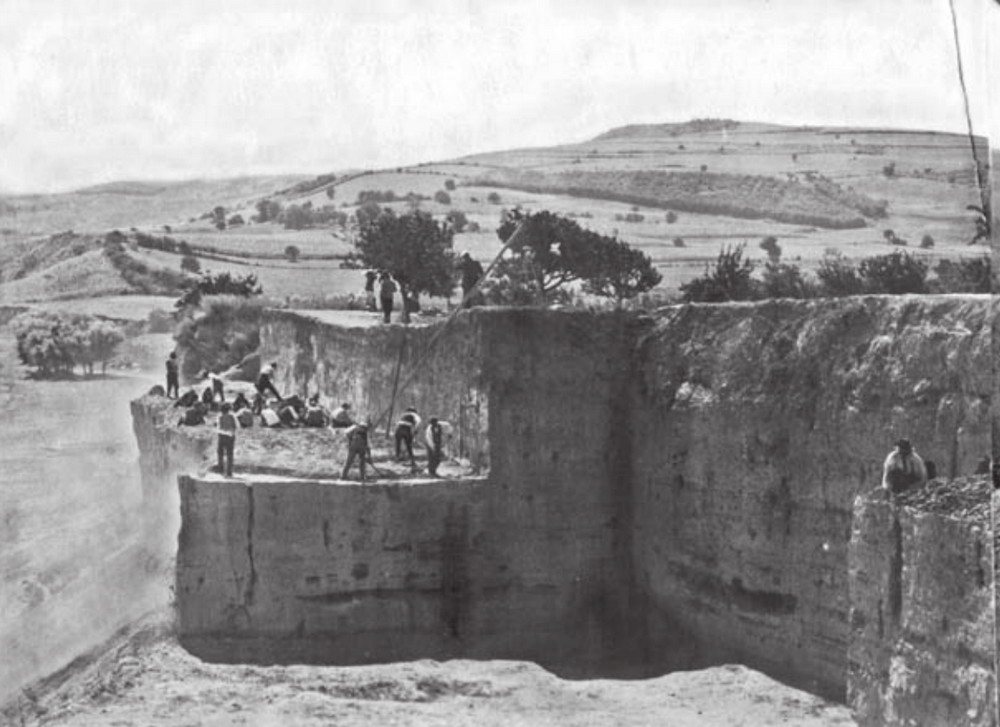
Fig. 15. Excavations carried out in 1933. Source: Vinča – prehistoric metropolis: 1908-2008 explorations, Belgrade 2008, p. 72
In return, it was agreed that a certain number of finds from Vinča would be given to Hyde, i.e., to museums in Britain. Thanks to the contacts established by Catherine Brown, the name of Charles Hyde is permanently associated with Vinča. His donations enabled the 1929–1931 excavations, on the land leased in 1911. After that, a new piece of land was leased in which the excavations were carried out in 1933-1934. Miloje Vasić published the results of his explorations in four volumes of Prehistoric Vinča, the first one of which was published in 1932. By 1936, the other three volumes of this major work were also published.
The goal of the renewed excavations in Vinča in 1978, headed by Nikola Tasić, was to survey the cultural layer in a wide dig, which provided more complete data on the stratigraphy of the site and especially the existence and character of post-Neolithic horizons. From 1982, the head of the explorations became academician Milutin Garašanin, an archaeologist, and a little later, academician Dragoslav Srejović, also an archaeologist.
The explorations were conducted on a new piece of land, Sector II, extending from the central part of the site that had been excavated until 1934. By 1983, an area of 1,170 m2 was opened in Sector II. Systematic surveying from 1978 to 1983 covered a large part of a medieval necropolis where burials were performed from the 8th to the 15th century and where 713 graves were discovered. The 1978–1986 explorations included the strata that were created after the end of the Neolithic era, with remains of a settlement belonging to the Eneolithic Baden Culture. A large number of pits belonging to the Eneolithic and the Copper Age periods were discovered, as well as several hearths, while the remains of the floor daub show that there may have been above-ground structures. A re-examining excavation of a part of the profile that constituted the south border of Vasić’s explorations was also carried out. The 1978–1981 excavations provided precise data on the layers in that part of the site. This profile was made exactly on the spot with the greatest thickness of the cultural layer.
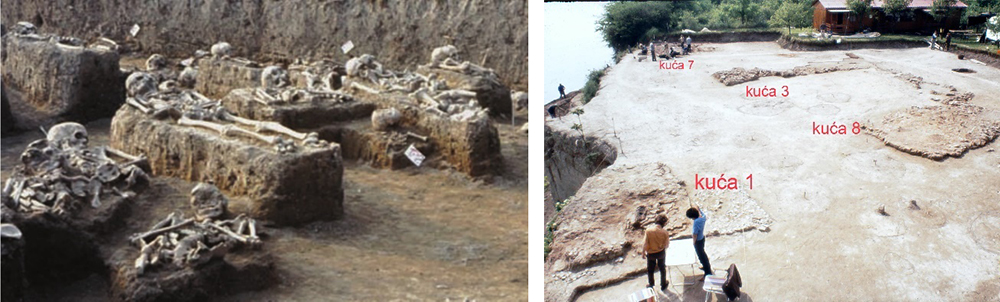
Fig. 16. Medieval necropolis horizon Fig. 17. Sector II after the flattening of the terrain
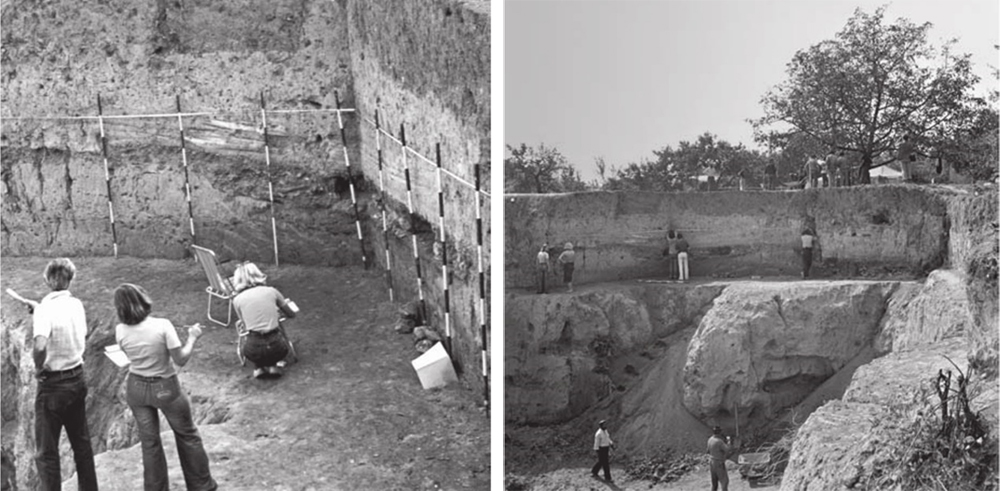
Fig. 18. Archaeological explorations 1978 Fig. 19. Archaeological explorations 1978
Source: Vinča – prehistoric metropolis: 1908-2008 explorations, Belgrade 2008, p.95(Fig.16), p.97(Fig.17), p.92(Fig.18), p.93(Fig.19)
A new stage in the research of Belo Brdo archaeological site brought a change in the excavation methodology and the application of the unit system (system of stratigraphic units). Since 1998, the head of these explorations has been Nenad Tasić, an archaeologist, professor at the University of Belgrade. The procedure is similar to classical excavation, except that changes in the quality and colour of the soil are monitored and that the boundaries of the units are discovered and recorded in all three dimensions. Once the boundaries have been found, they are documented by measuring the unit boundaries using a Total Station, a unit sheet is set up in which the basic data is recorded, a sketch is made and the observations and impressions of the surveyor (the unit master) are entered. Thousands of objects and samples have been processed through the laboratories for ceramics, polished and knapped stone, as well as the archaeozoological and macrobotanical laboratories. In the surveying work in the field, it is important that specialists noticed in the material from their respective fields characteristics that could have a connection with the conditions and the place of the finding, and that suggested the function of an area. With such feedback, particular attention has been paid to the excavating of the immediate surroundings of the given find. This relates especially to the ceramics. Reconstruction of the vessels has been done in parallel to the excavation and since the fragments from seemingly different units have been joined, the information from the ceramics laboratory may be crucial for determining the concurrence of two or more surveyed units.
More than 10,000 fragments of Vinča vessels have been entered into the pottery database, which constitutes a relevant sample for any further statistical analyses. There are also suitable bases for polished stone, knapped stone production, archaeozoology and macrobotanical remains.
The result of the explorations conducted until 2009 is that the discovered remains of residential buildings with auxiliary buildings and some kind of a street from the last phase of the Neolithic have been preserved in situ. This part of the archaeological site (cadastral parcel 2023/1 of CM Vinča), on the upper surface, is currently closed for excavations, protected by appropriate layers of sand, gravel and reinforced geotextile.
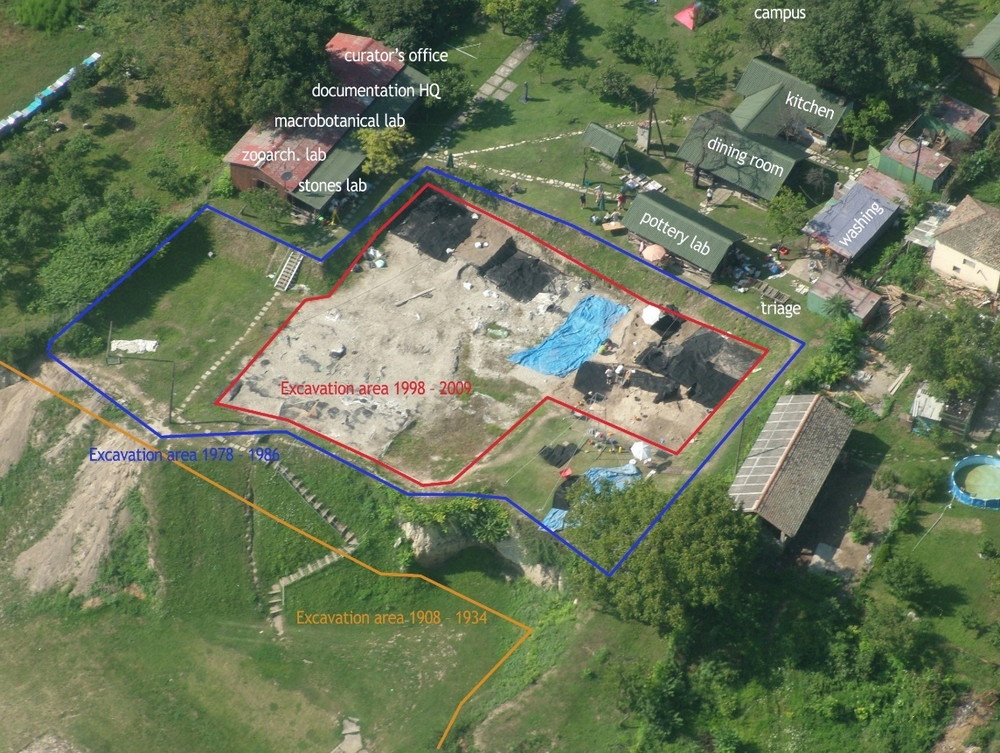
Fig. 20. Results of the excavations in the period 1998–2009. Source: Exploration project Belo Brdo in Vinča
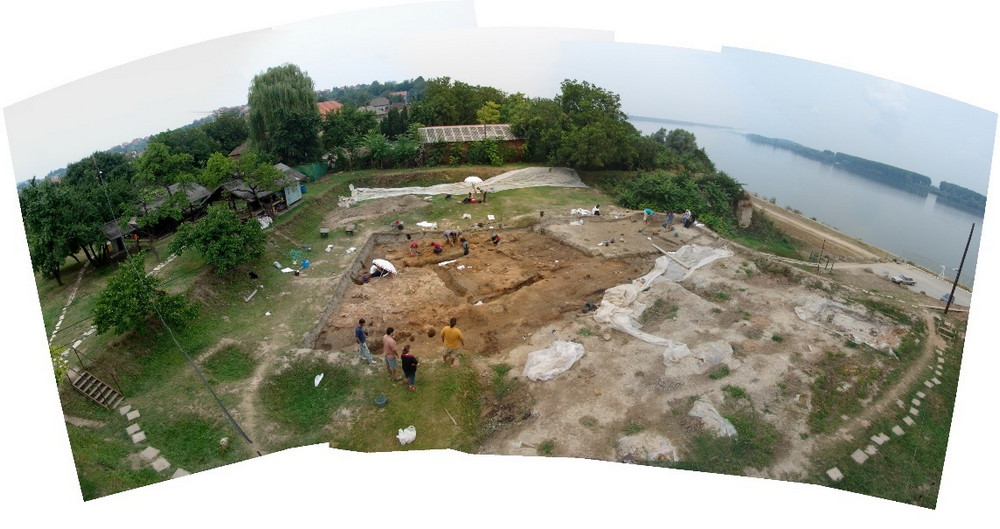
Fig. 21. Results of the excavations in the period 1998–2009 Source: Exploration project Belo Brdo in Vinča
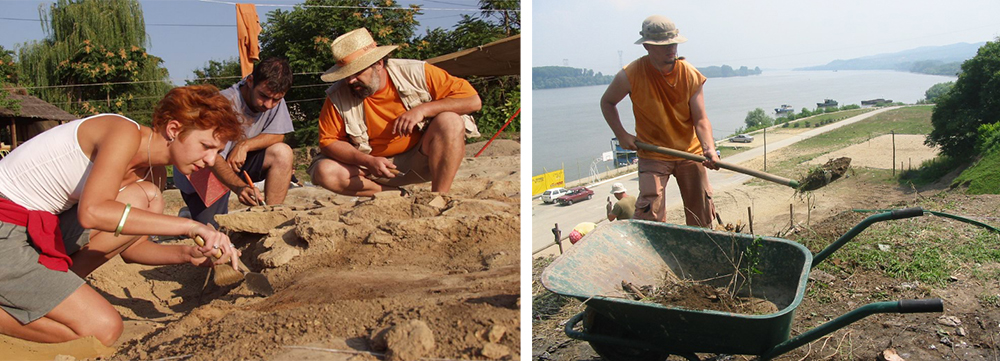
Fig. 22. Archaeological explorations until 2009 Fig. 23. Archaeological explorations until 2009
Source: Exploration project Belo Brdo in Vinča
Since 2011, the archaeological excavations have been carried out north of the previously researched plot of land, in an area of around 250 m2, on cadastral parcel 2023/2 of CM Vinča, which has been established as a risk area on account of a landslide.
On several occasions (2004-2005 and 2011-2014), there were archaeological excavations in a part of the vertical section which was physically separated from the rest of the site on account of the active landslide and erosion, and prone to fall. It was decided to survey and remove that part of the site, thus saving data from an area of approximately 5x3 m and the depth of 9 meters that covered the entire development of Vinča Culture on this spot. These data and the samples collected on that occasion have been used for the needs of precise dating applying the C14 radiocarbon method. Thanks to the cooperation with institutions Historic England and the University of Cardiff, Vinča’s cultural layer has been dated with 222 new dates with the precision up to 30 years. These new findings and the precise dates have put Vinča again at the centre of the study of the late Neolithic in Southeast Europe.
More extensive works were carried out in the period 2019-2021 and during this time the discovery of the previously explored medieval necropolis, where traces of burials from the 8th to the 15th century were expected, continued. However, these explorations have shown that the necropolis, which is roughly dated back to the period from the 12th to the 14th century, spreads throughout the entire explored sector of the landslide. For the first time, traces of habitation from the period from the 9th to the 11th century were found at Vinča site, which means that various activities were carried out at the site before the necropolis was formed in the 12th century. The specificity of this excavation phase are layers that have been disturbed by noticeable cracks caused by the sliding of the terrain. During this period, skeletal remains of 220 deceased were discovered, a total of around 1,000 individuals including the earlier excavations, and this is not the final number. So far, over 300 primary graves have been discovered in this area, along with a myriad of secondary ones, a total of around 1,000 individuals, including earlier excavations, and that is not the final number. This makes the site of Belo Brdo the largest medieval necropolis that has been surveyed on the territory of the Republic of Serbia, and shoulder to shoulder with Trnjane, Matičane and Novo Brdo with which it only partially overlaps chronologically, and one of the most important. Unfortunately, human skeletal remains from the excavations conducted in the 1970s have not been preserved, but the collection of over 300 skeletons discovered during the new stages of the explorations of the site makes it one of the best-preserved anthropological collections at the moment. This constitutes an incredible anthropological potential for numerous bioarchaeological studies of medieval populations. The medieval cemetery occupied an extremely large area, it is located also underneath the surrounding houses and in the unoccupied area it extends to the north across the piece of land that is yet to be explored. Under the disturbed remains of the grave burials it is possible to notice remains from prehistoric epochs, the Eneolithic and the Neolithic, and these periods will be explored after the completion of the excavation of the medieval cemetery.
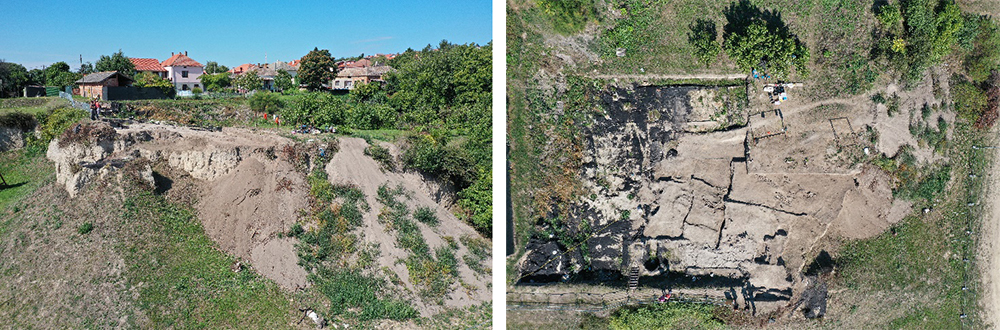
Fig. 24. Results of the 2021 explorations Fig. 25. Results of the 2021 explorations
Source: Archives of the Institute for the Protection of Cultural Monuments of Serbia (IPCMS)
4.4. Summary of the archaeological explorations
The archaeological excavations and explorations have been carried out and they have continued to be carried out on a limited area in relation to the total area in which archaeological remains and layers have been recorded. In the first phase, in the period from 1908–1934 when the excavations were carried out by Miloje Vasić, an area of up to 1500 m2 was completely archeologically surveyed down to the subsoil. This area does not exist on the site and it can be reconstructed on the basis of archival documentation.
From 1978 to 2009, the explorations were carried out on parcel 2025/2 of CM Vinča, west of the previous excavations in an area of 500 m2. The excavations were stopped at the level of the discovered remains of a settlement established in the youngest phase of the Neolithic and the archaeological remains were physically protected against atmospheric and other influences.
Since 2011, and especially since 2019, the focus of the excavations has been moved to the northwest and the adjacent parcel 2023/2 of CM Vinča where the effect of a landslide has been ascertained. The excavations are carried out in an area of 500 m2 down to the depth of 1.5 m and this mostly concerns the excavations of the remains of the medieval necropolis. It is intended to continue explorations in this area.
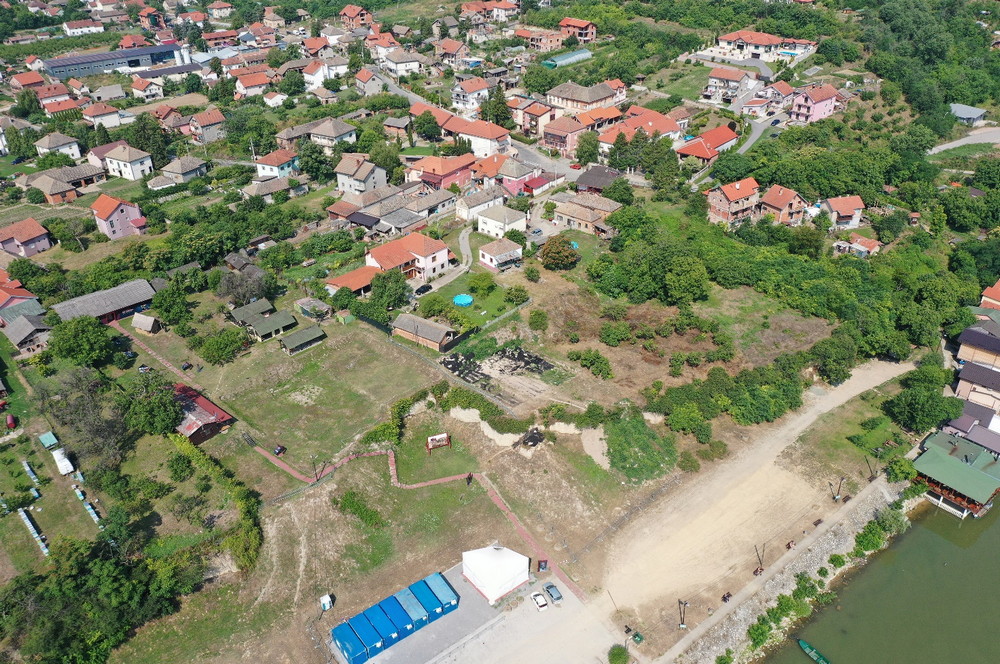
Fig. 26. Excavation surface areas, Source: Archives of the IPCMS
4.5. Legal protection of the archaeological site
Belo Brdo archaeological site in Vinča is an immovable cultural property of national and international importance, and it enjoys the status of a cultural property of great importance for the Republic of Serbia (Decision of the Institute for the Protection of Cultural Monuments of Belgrade no. 653/5 of 10 November 1965, Decision on Establishing Immovable Cultural Properties of Exceptional and Great Importance (“The Official Gazette of the SRS,” no. 14/79 and 30/89), i.e., Decision on Designating Belo Brdo site in Vinča as an Archaeological Site (“The Official Gazette of the RS,” no. 71/09).
The protection of Belo Brdo archaeological site in Vinča has been ensured by two decisions, one decision on designation and one decision on categorisation of the cultural property.
The capacity and scope of the protection of the archaeological site in Vinča has changed and improved over time – Decision no. 341/50 of 30 March 1950 of the Institute for the Protection and Scientific Study of Cultural Monuments of the People’s Republic of Serbia put “Belo Brdo” Archaeological Site in Vinča, with the total area of 5 hectares, under the protection of the State. This was an enlarged area where Miloje Vasić first conducted excavations in the period from 1908-1934. It was soon established that the scope of the site was small, a new procedure for the protection of the archaeological site was conducted and with new Decision no. 653/5 of 10.11.1965, the Institute for the Protection of Cultural Monuments of the City of Belgrade declared “Belo Brdo” archaeological site in Vinča a cultural monument, while the protection included cadastral parcels: 2023/3, 2025, 2023/1, 2022, 2021, 2024, 2026/4, 2026/5, 2026/6, 2027/2, 2028/28 and 2028/16. This decision replaced the said Decision from 1950.
In 1979, “Belo Brdo” archaeological site in Vinča was declared an archaeological site of exceptional importance for the Republic of Serbia (“The Official Gazette of the SRS,” no. 14/79). In the Republic of Serbia, this type of categorisation designates a certain cultural property as immovable heritage that stands out with its cultural and scientific values in relation to other immovable cultural properties.
New findings about the layers with archaeological remains obtained by topographic surveying conducted using modern methods, by geomagnetic research, geoelectric surveying and various methods from the air were the reason for expanding the protected area. In 2009, the Government of the Republic of Serbia passed the Decision on the Establishment of Belo Brdo Site in Vinča as an Archaeological Site which expanded the protection zone and the protected surroundings (“The Official Gazette of RS,” no. 71/2009 of 31.8.2009). With this decision, the archaeological site was established in an area of 11.77 hectares that stretches along the right bank of the Danube and extends westwards into the interior of the inhabited part.
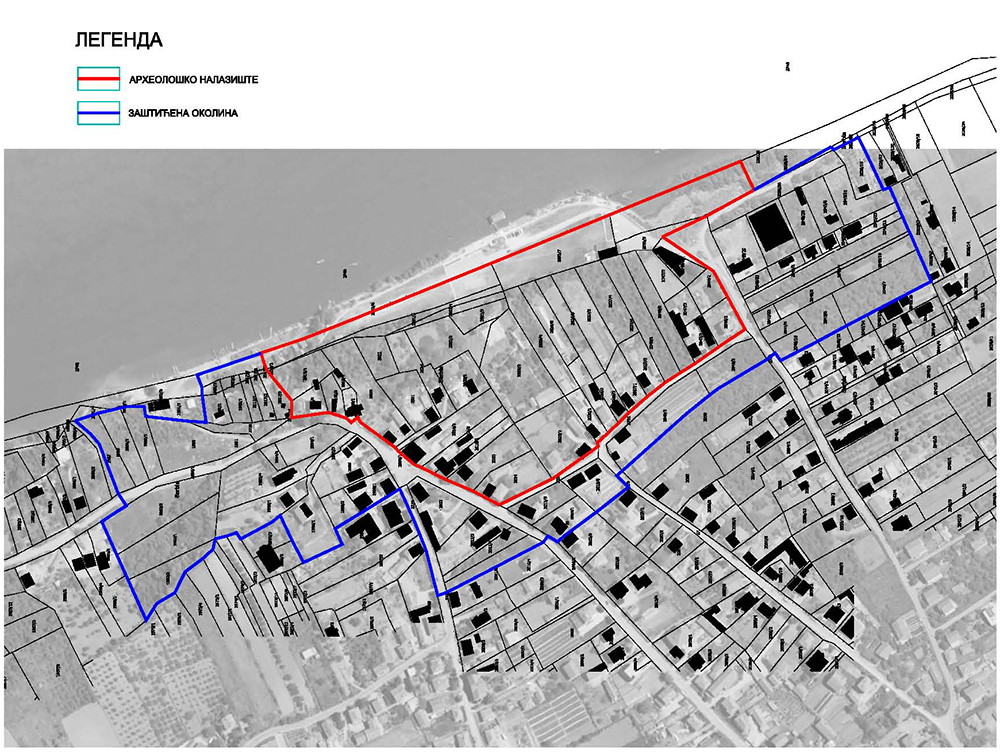
Fig. 27. Boundaries of area covered by Belo Brdo archaeological site and its protected surroundings under the 2009 Decision
An initiative to develop the archaeological site, to establish the general interest and to start the setting up an archaeological park was launched in 1980. Namely, with Decision no. 463 of 15.12.1980, the Assembly of the Municipality of Grocka established the general interest linked to the construction of an Archaeological Park on cadastral parcels: 2023/2, 2023/3, 2026/4, 2026/5, 2026/6, 2027/2, 2027/4, 2047/2, 2048/1, 2048/2 and on a part of cadastral parcel 2025.
An overview of the state of construction on the parcels within the boundaries of the archaeological site shows that out of the twelve parcels that were the subject of expropriation and registration, only two are being used as archaeological site, i.e., as an area for exploration and presentation, one is used for the access, while on the others there is either no activity (three of them) or they are agriculturally cultivated (three of them), plus on one of them an auxiliary facility has been built.
In the last twenty years, intensive construction has been carried out on the private parcels within the boundaries of the archaeological site, whether the existing structures are being expanded or new ones are being built.
Until 2008, the cadastral parcels within the boundaries of the protected surroundings of the archaeological site were not the subject of any more detailed scrutiny. North of the archaeological site, the parcels mostly have a forest belt on the edge of the landslide, while on the bank of the Danube there is a series of so-called stilt houses, privately owned structures erected without permission. To the northwest and west there are private houses with curtilage and a small number of parcels that are cultivated. South of the archaeological site, the current situation is recorded in the cadastral plan, with a note that even earlier this area had a dense concentration of buildings, seven parcels are cultivated, four parcels are uncultivated, while several parcels along the river bank are not developed. The situation at c.p. 2045/1, where a larger commercial facility was built before the designation of the protected surroundings, is quite typical.
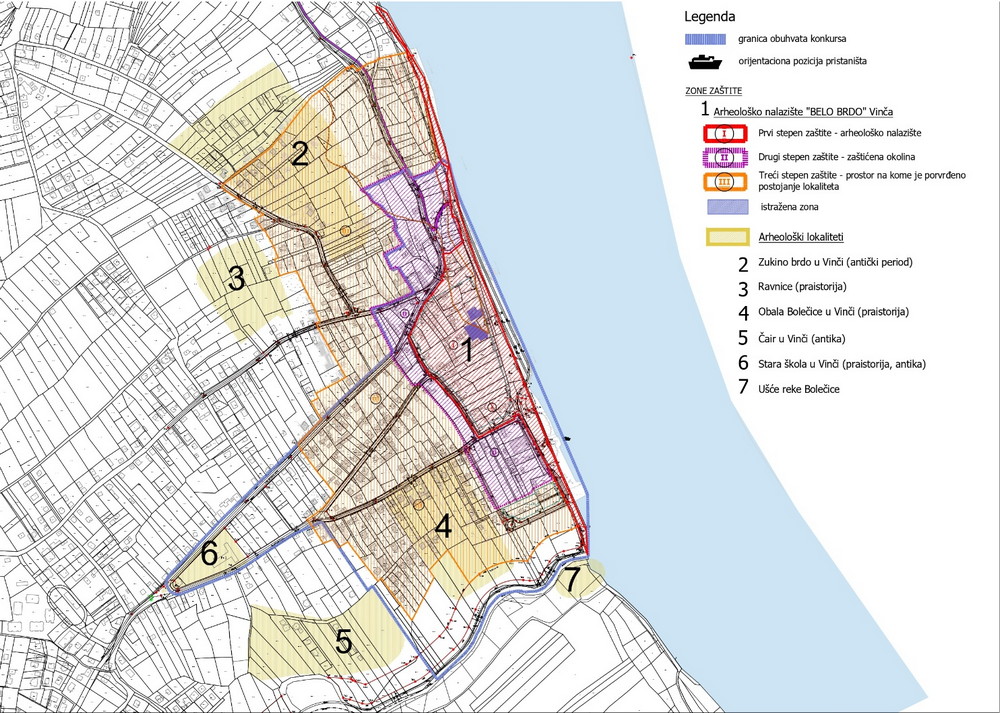
Fig. 28. Protection zone of the archaeological site with an overview of the potential positions of archaeological sites in the direct vicinity
The Museum of the City of Belgrade, which manages a part of the archaeological site (the state-owned cadastral parcels), is the carrier of the archaeological excavations and surveying, it is in charge of storing the movable finds and it promotes the results through expert guided tours and exhibitions. The scientific and professional management of the archaeological site is organised also through commissions and committees of the central institutions of culture and science in the Republic of Serbia – the Ministry of Culture and Information and the Serbian Academy of Sciences and Arts.
Belo Brdo archaeological site in Vinča is protected not only by the legal regulations, but also by the planning ones.